
UIS Analytical Services’ Elevates Stage 4: Data-Driven Grit on the Climb

Sponsored by UIS Analytical Services’ Stage 4 of the Absa Cape Epic, a strategic 80-kilometer grind with 1,950 meters of climbing, demands more than raw power—it calls for precision, adaptability, and meticulous planning. Sponsored by UIS Analytical Services’, a leader in data-driven insights and analytical solutions, this stage mirrors the rigorous process of transforming raw data…
Read MoreTrend Micro Conquers Stage 3: Cybersecurity Vigilance Meets Mountainous Mastery

Sponsored by Trend Micro Stage 3 of the Absa Cape Epic, a brutal 90-kilometer gauntlet with 2,600 meters of climbing, is a relentless test of endurance, strategy, and adaptability. Sponsored by Trend Micro, a global leader in cybersecurity solutions, this stage epitomizes the battle against relentless threats—both on the trail and in the digital realm. As…
Read MoreSecuricom Safeguards Stage 2: Cybersecurity Meets the Ultimate Team Time Trial
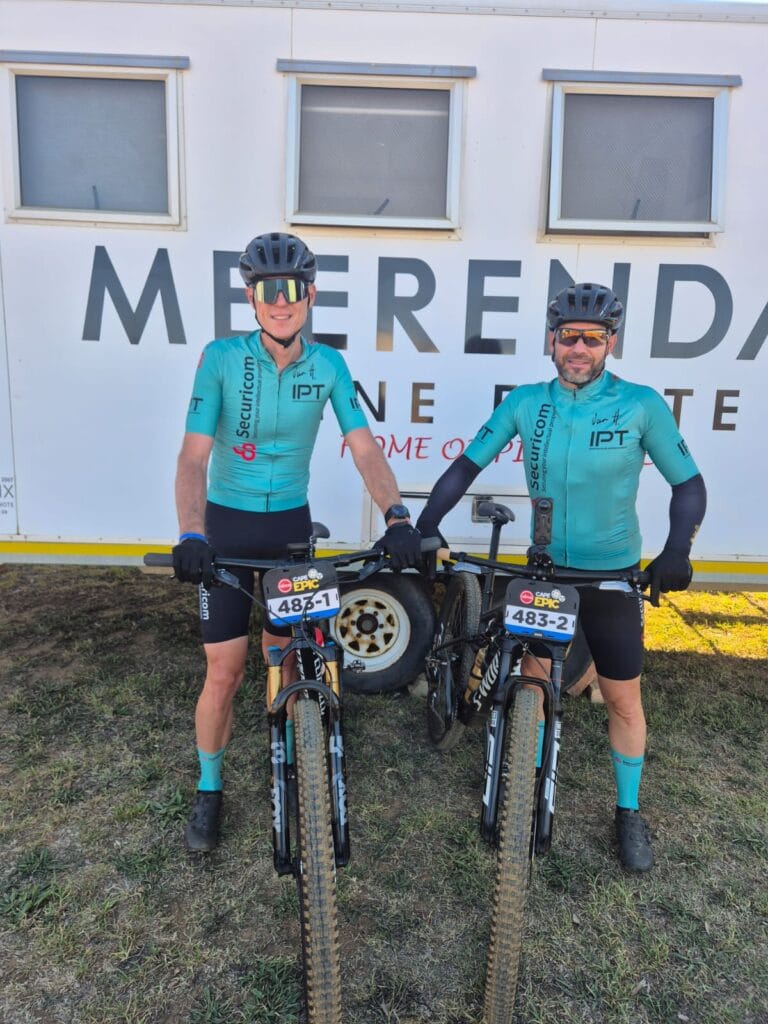
Sponsored by Securicom Stage 2 of the Absa Cape Epic, a “spicy” 66-kilometer team time trial with 950 meters of climbing, is a high-speed chess match on wheels. This year, the stage is powered by Securicom, a leader in cybersecurity solutions known for its relentless vigilance, strategic foresight, and collaborative defense systems. As riders Cobus Olwage…
Read MoreRichfield Education Fuels Stage 1: Climbing Mountains, Building Minds

Sponsored by Richfield Education The Absa Cape Epic’s Stage 1, a grueling 92-kilometer odyssey with 2,750 meters of climbing, is more than a physical battle—it’s a mental marathon. This year, the stage is proudly sponsored by Richfield Education, an institution dedicated to empowering students through resilience, critical thinking, and the pursuit of excellence. As riders…
Read MoreIPT Powers the Prologue: How Precision Meets Perseverance at the Cape Epic’s Opening Salvo
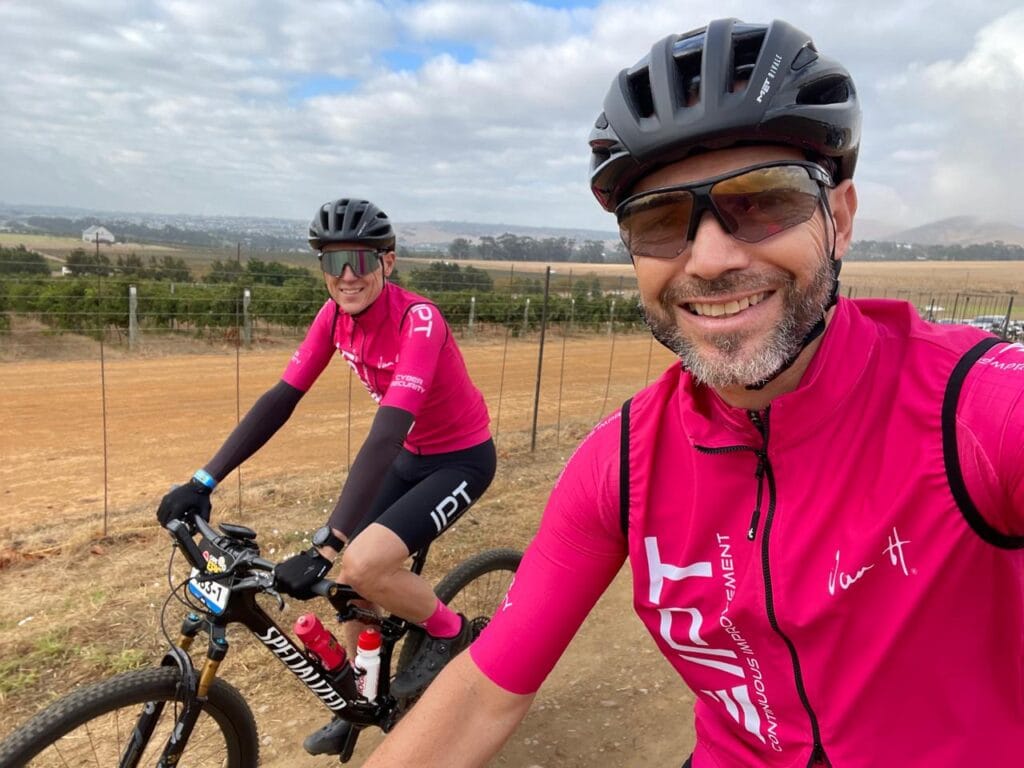
Sponsored by IPT (ipt.za.com) The Absa Cape Epic’s Prologue—a short, sharp burst of racing designed to test speed, strategy, and synergy—sets the tone for the grueling eight days ahead. This year, the curtain-raiser is proudly sponsored by IPT, a leading managed services company renowned for its precision, innovation, and reliability. As riders Cobus Olwage (IPT)…
Read MoreCobus Olwage (IPT) and Brian Bear (MediCharge) Gear Up for the Ultimate Test: The Cape Epic

The Absa Cape Epic, renowned as one of the world’s most demanding mountain bike races, is not for the faint of heart. This eight-day stage race across South Africa’s rugged terrain demands peak physical endurance, mental resilience, and unwavering teamwork. For Cobus Olwage, representing managed services leader IPT, and Brian Bear of healthcare solutions…
Read MoreThe Ultimate Security Stack: How Microsoft 365 Business Premium, Automated Patching, User Awareness Training, Office 365 Backup, and EDR Protect Your Business

In today’s digital landscape, cybersecurity is no longer optional—it’s a necessity. With the rise of sophisticated cyberattacks, businesses of all sizes must adopt a proactive approach to safeguard their data, systems, and reputation. For small and medium-sized businesses (SMBs), finding the right balance between robust security and cost-effectiveness can be challenging. Fortunately, tools like Microsoft 365…
Read MoreThe NIST Cybersecurity Framework for Small Businesses: A Guide to Enhancing Security
In today’s digital age, cybersecurity is no longer a luxury, but a necessity for businesses of all sizes. Small businesses, despite their resource constraints, are increasingly targeted by cybercriminals. To help these organizations navigate the complex world of cybersecurity, the National Institute of Standards and Technology (NIST) has developed a valuable resource: the NIST Cybersecurity…
Read MoreThe Critical Importance of Regular Patch Updates

In today’s hyper-connected digital landscape, cybersecurity has become an paramount concern for individuals and organizations alike. One of the most fundamental yet often overlooked aspects of maintaining a secure digital environment is the diligent application of regular software updates and patches. These seemingly minor updates play a pivotal role in safeguarding our systems, data, and…
Read MoreThe Indispensable Role of Frequent Cybersecurity Risk and Vulnerability Assessments

In today’s hyper-connected world, cybersecurity threats are constantly evolving, becoming more sophisticated and persistent. Organizations of all sizes, from small businesses to multinational corporations, are increasingly vulnerable to cyberattacks. To safeguard their valuable assets, protect sensitive data, and maintain business continuity, frequent cybersecurity risk and vulnerability assessments have become an indispensable component of any robust…
Read More