

AI can only work with the information it is given.
If your business data is duplicated, poorly classified, difficult to access, or not properly governed, those weaknesses will follow into your AI environment. Before your organisation scales AI tools, automation, dashboards, Copilot use cases, or agentic AI workflows, the data foundation needs to be ready.
IPT helps businesses prepare, structure, govern, and protect their data so that AI can be used more responsibly and effectively.
Our AI consulting services focus on the practical work that must happen before AI delivers real value. We help businesses understand where their data sits, who can access it, how it is classified, how it is protected, and whether it is ready to support the decisions or workflows AI is expected to improve.
Why data readiness matters
Many businesses are moving quickly from AI interest to AI implementation. The pressure is understandable. AI can support better decision-making, improve reporting, automate workflows, assist users, and help teams work more efficiently. But AI does not fix poor data discipline.
If documents are spread across disconnected systems, sensitive information is not classified, access rights are outdated, or reporting data is incomplete, AI may produce unreliable outputs or expose existing weaknesses in the business.
AI readiness starts with the data beneath it. If that data is fragmented, poorly classified, or not properly governed, the business is not ready to scale AI with confidence.
Get the foundation right before scaling AI
A strong data foundation gives your business better control over how information is used, protected, and applied. This means reviewing the quality of your data, improving classification, strengthening governance, aligning access controls, and making sure sensitive information is properly protected.
For organisations using Microsoft environments, this may include examining the roles of Microsoft Fabric, OneLake, Microsoft Purview, data classification, sensitivity labels, Data Loss Prevention, and other controls that support a more secure and structured data layer.
IPT helps businesses understand how these capabilities fit into a practical AI readiness roadmap.
What IPT helps you assess
IPT works with organisations to identify the gaps that could affect AI adoption, automation, reporting, and data security. This includes:
Data quality:
Understanding whether business data is accurate, complete, consistent, and usable.
Data location:
Identifying where information sits across cloud platforms, shared drives, business systems, and collaboration environments.
Data classification:
Helping businesses classify information so that sensitive, confidential, and business-critical data is easier to identify and manage.
Access and permissions:
Reviewing who can access data and whether those permissions still match current roles and responsibilities.
Governance and compliance:
Strengthening the rules, controls, and processes that guide how information is stored, shared, retained, and protected.
DLP and information protection:
Using controls such as Data Loss Prevention and sensitivity labels to help reduce inappropriate sharing and protect sensitive information.
AI use case readiness:
Assessing whether the data foundation can support the AI use cases your business wants to introduce.
Built for businesses moving from AI ambition to execution
AI adoption often begins with a tool. The real work begins when the business needs that tool to operate safely, consistently, and usefully across real workflows.
Many organisations only see the real constraint once AI moves closer to daily workflows. The platform may be capable, but the data it depends on can still be difficult to find, duplicated across systems, poorly labelled, or accessible to people who no longer need it.
IPT helps businesses move from fragmented data and isolated AI experiments toward a more structured, secure, and measurable approach.
Our role is to help you prepare the foundation before scaling AI too quickly.
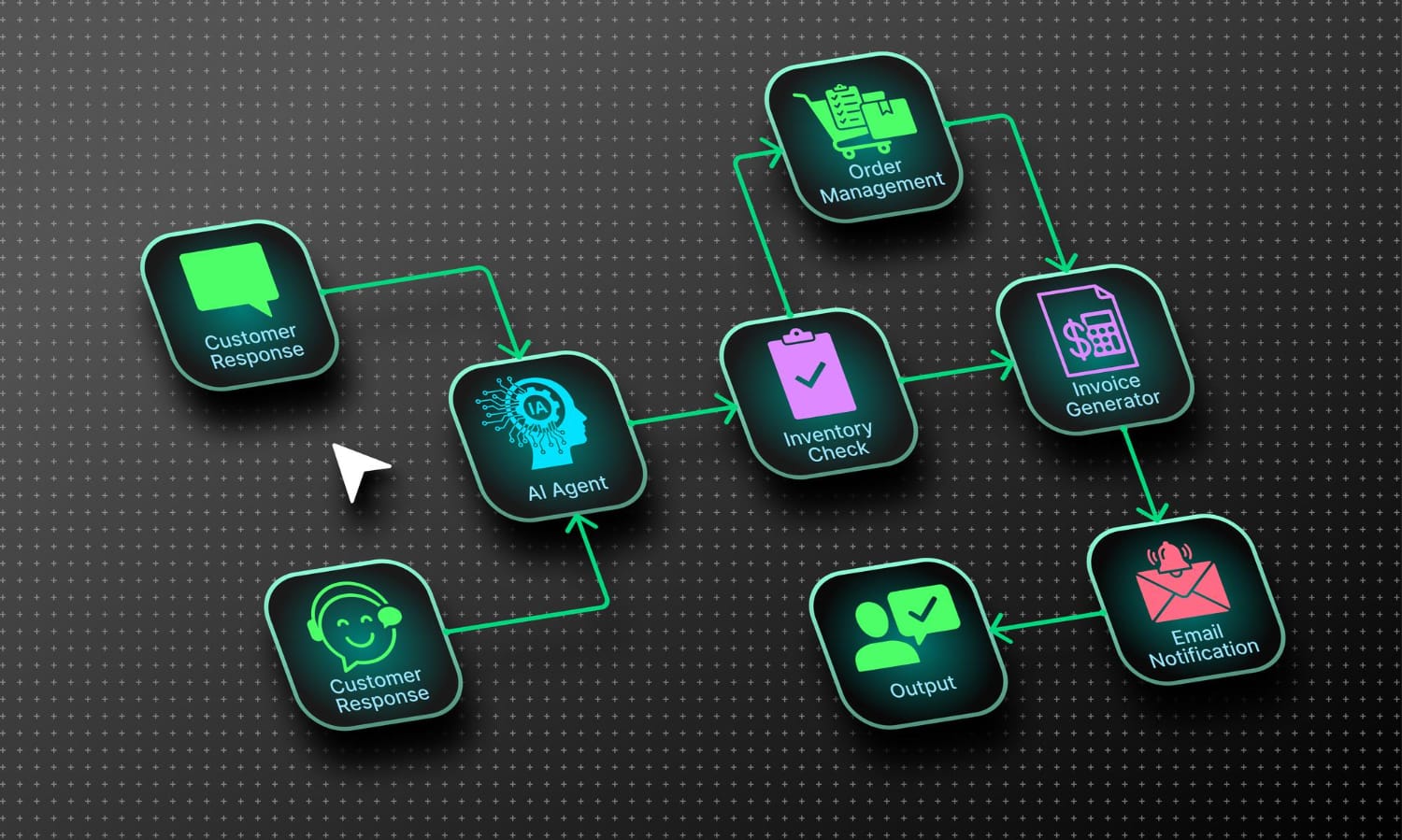
Microsoft data and governance capabilities
Microsoft environments already contain many of the tools businesses need to improve data readiness. The challenge is knowing how to configure, manage, and align those tools to the way your organisation works.
IPT helps businesses understand how Microsoft data and governance capabilities can support AI readiness, including Microsoft Fabric and OneLake for data architecture, Microsoft Purview for governance and visibility, data classification for better information control, and DLP for reducing the risk of sensitive information being shared inappropriately.
These capabilities help create a more controlled environment for AI adoption.
What your business gains
With IPT’s AI data readiness services, your organisation can build a stronger foundation for future AI use.
You gain:
- A clearer view of where business data sits
- Better control over sensitive and business-critical information
- Improved data classification and governance
- Stronger alignment between data, access, and security controls
- A more practical roadmap for AI adoption
- Reduced risk before scaling AI use cases
- Better readiness for Copilot, automation, dashboards, and agentic AI workflows
The goal is to help your business make data usable, secure, and ready for AI.
AI deployed is not AI done
AI is not a once-off deployment. Its value depends on the quality of the foundation beneath it and how that environment is managed over time. As your business changes, your data, workflows, permissions, and security controls need to keep pace.
IPT supports businesses with AI consulting, data analytics for AI, business intelligence, adoption support, and managed intelligence operations.
We help organisations prepare, govern, and improve the data environments that future AI capability will depend on.
IPT AI Data Readiness
Clean data. Stronger governance. Better AI outcomes.
Let IPT help you prepare your data foundation before scaling AI across your business.